
When it comes to bronchiectasis, knowledge is power.

What is bronchiectasis?
is a disease where your airways become permanently widened, making it harder for you to clear and bacteria. Symptoms of BE can include coughing, mucus production, lung infections, and . It’s a and progressive disease, which means it can affect you long-term and may get worse over time, causing .
BE is commonly diagnosed by a , who will review your medical history, including your current symptoms, and confirm BE with a .
See healthy airways compared to airways with BE
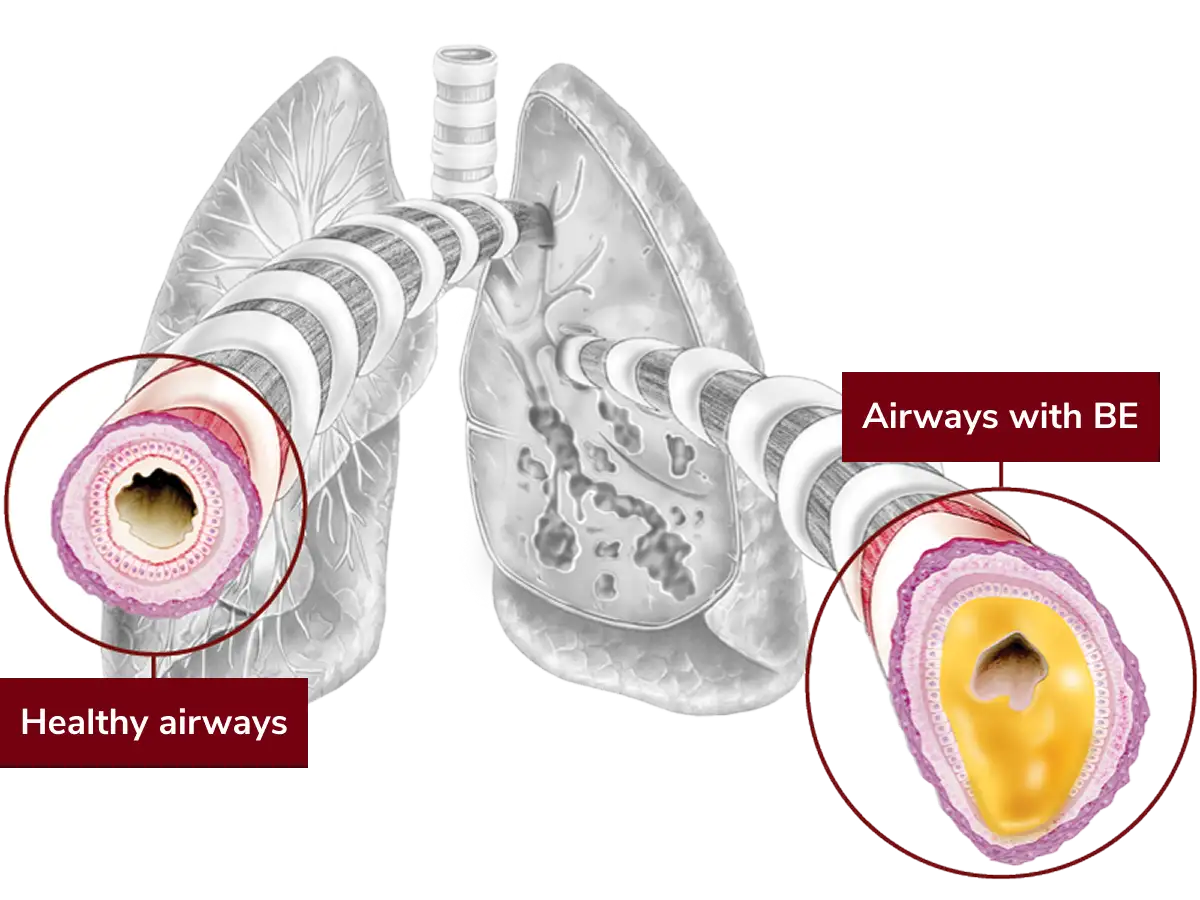
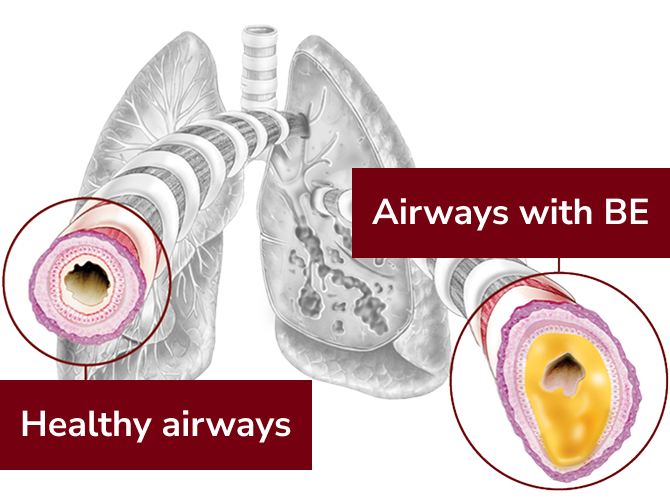
How does bronchiectasis affect the lungs?
Curious about what’s actually happening in the lungs? Watch to learn more.
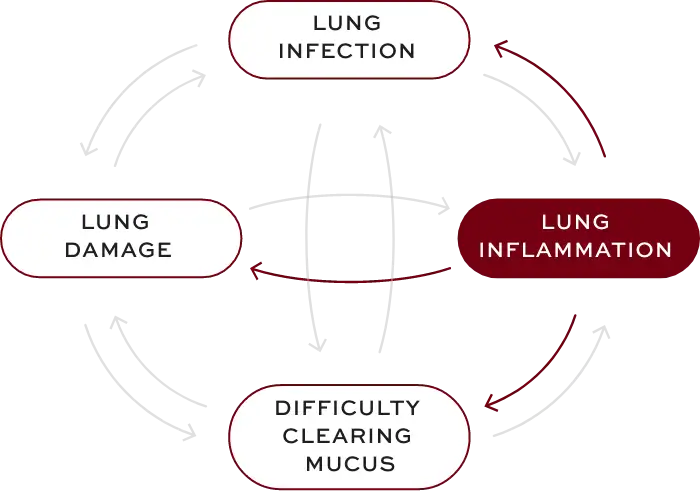
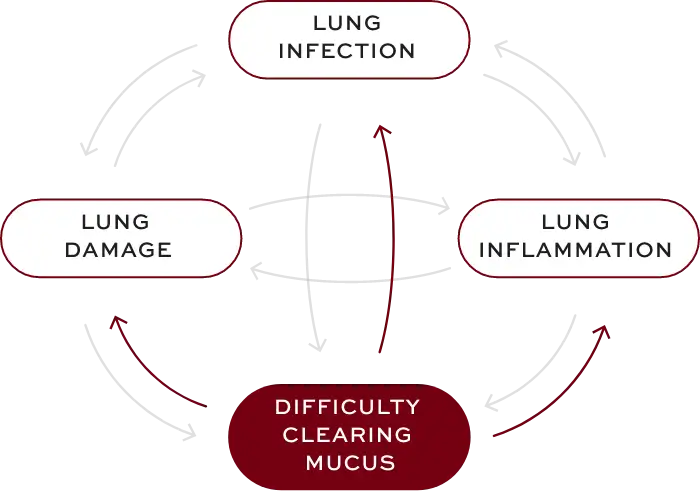
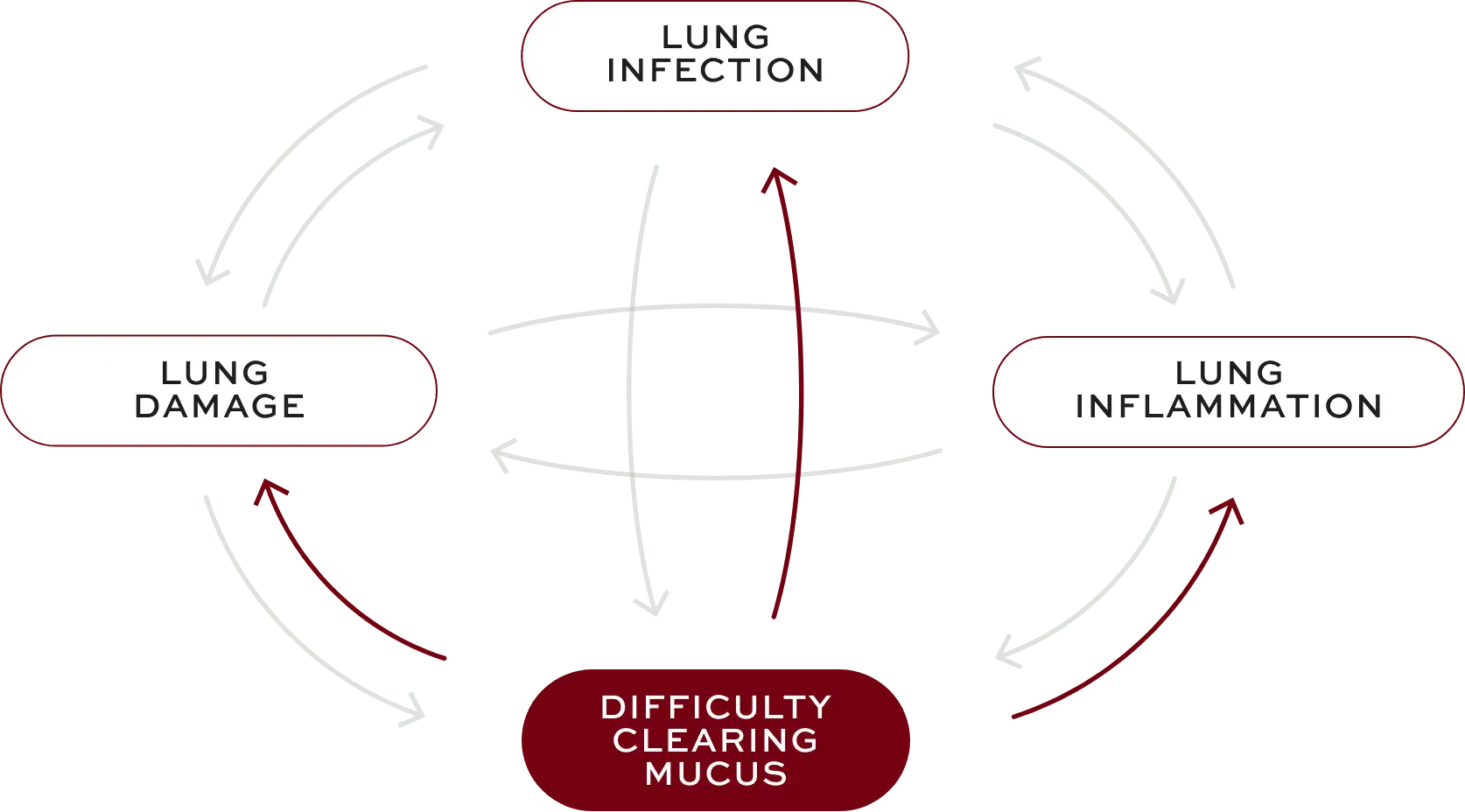
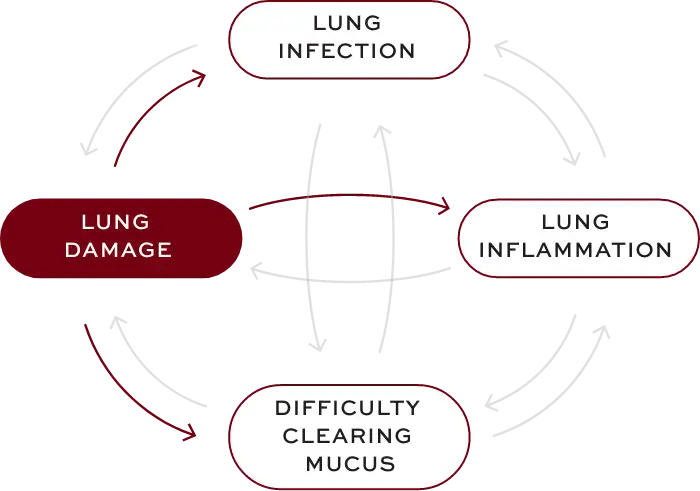
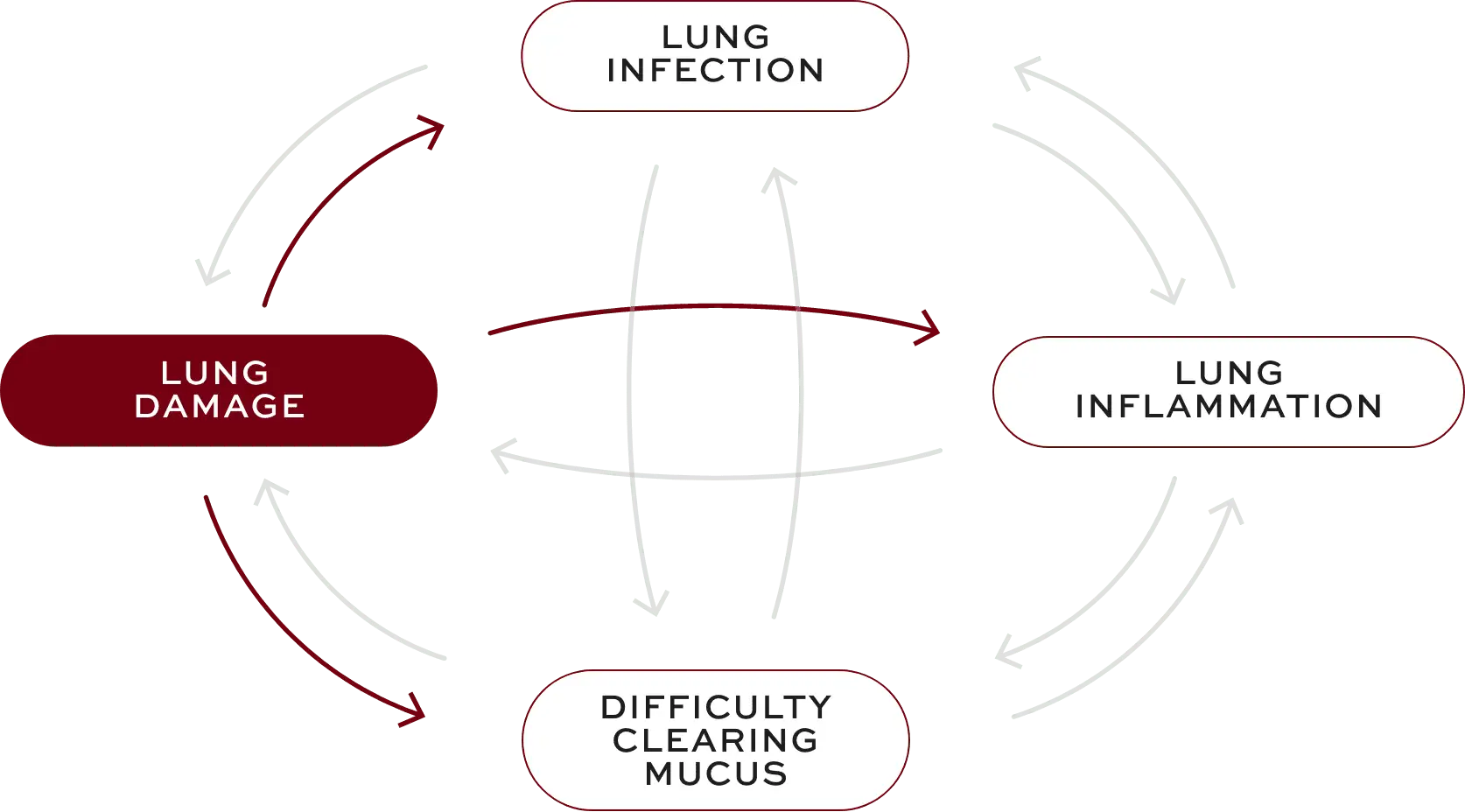
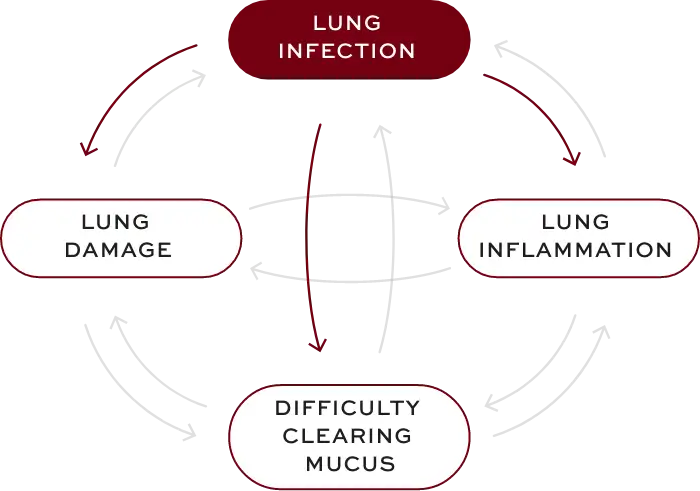
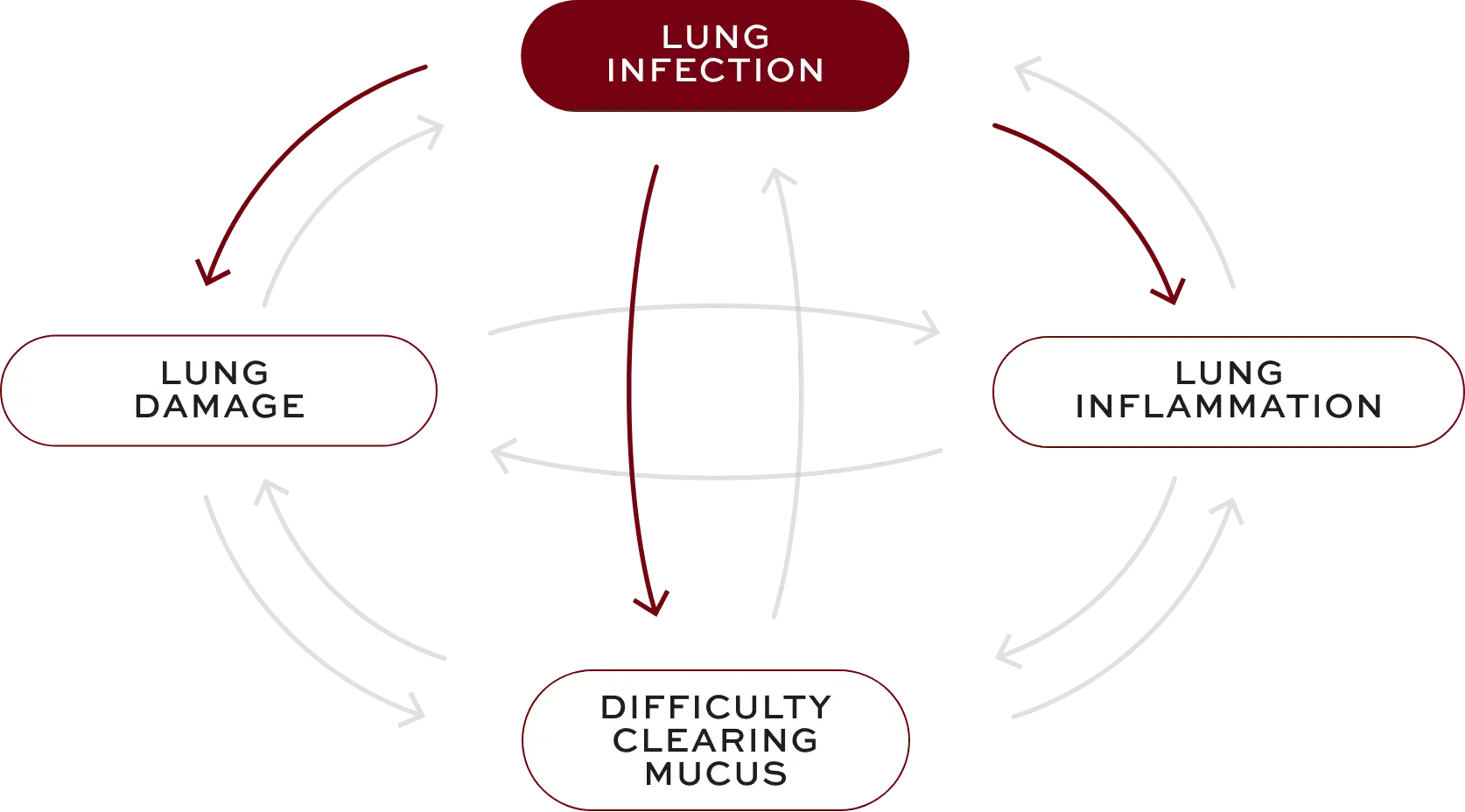
An interconnected cycle contributes to the development of BE
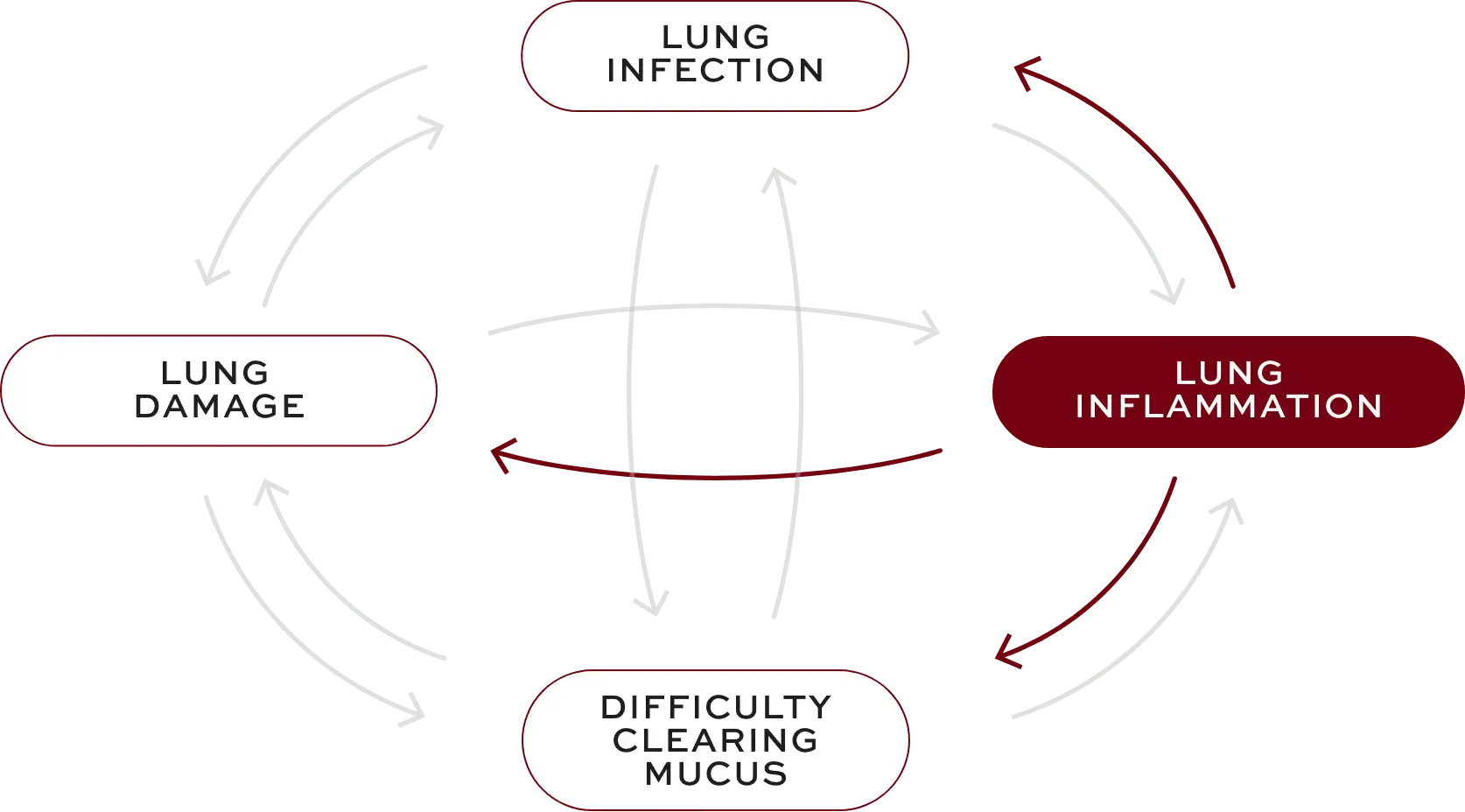
The main factors include , difficulty clearing mucus from the lungs, lung infection, and lung damage.
When choosing a treatment for BE, it is important to work with your doctor to address all factors as each factor can lead to the worsening of the others. See how in the diagram below.

Who is at risk for bronchiectasis?
BE develops for many reasons, and they can differ from person to person. Certain medical conditions put people at risk, such as:

or asthma

Repeated respiratory infections, like pneumonia, TB, or

Inflammatory diseases, like RA or IBD

A weakened immune system, like immunodeficiency disorders

Aspiration syndromes, like GERD

Inherited (genetic) disorders, like PCD or alpha-1 antitrypsin deficiency
Some people may have bronchiectasis and not realize it:
- Approximately 1 in 4 people with COPD may also have bronchiectasisa
- Approximately 1 in 3 people with asthma may also have bronchiectasisb
footnoteaStudies have shown a range of 20% to 69% of people.
footnotebStudies have shown a range of 2% to 47% of people.
GERD=gastroesophageal reflux disease; IBD=inflammatory bowel disease; NTM=nontuberculous mycobacteria; PCD=primary ciliary dyskinesia; RA=rheumatoid arthritis; TB=tuberculosis.
What are the symptoms of bronchiectasis?
Bronchiectasis symptoms can look like those from other lung conditions. Some common symptoms of BE are:
-
Coughing

Mucus production, which may contain blood or be hard to cough up

Difficulty breathing, shortness of breath, or wheezing

Fatigue

Fever, chills, and/or body aches
-
Frequent lung infections

Chest pain
When surveyed about their symptoms, people with BE shared concerns about having a constant cough, shortness of breath, fatigue, and feeling misunderstood, embarrassed, and anxious about the potential for future BE flares.
Many BE symptoms overlap with other conditions, which is why there may be a delay in diagnosis.
Learn more about how bronchiectasis is diagnosed
While bronchiectasis can be mistaken for another respiratory condition, it is a different disease with different treatment needs.
ClickTap to take a closer look at bronchiectasis symptoms.
What does BE
sound like?

ClickTap to hear an example of what a BE cough sounds like.
BE sounds like...
What does BE
look like?

Image adapted with permission from the
European Respiratory Society. ©2009
In the lungs, BE looks like a widening of the airways, but to you BE can look like coughing up yellow or green mucus daily. The illustration above represents how the color of your mucus changes from light to dark.
BE looks like...
What does BE
feel like?
ClickTap to hear a person with BE talk about her fatigue.
BE feels like...
Symptoms alone aren’t enough to identify BE.
Take adeeper look